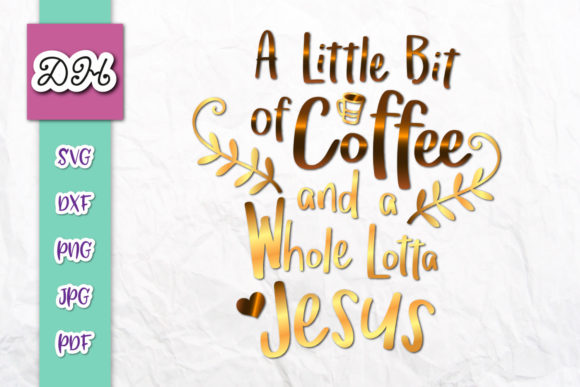
A Little Bit of Coffee Whole Lotta Jesus
As a designer who has worked with hundreds of embroidery files over the years, I have learned to spot a design that will actually perform well in production versus one that looks great on screen but falls apart under the needle. When I first opened A Little Bit of Coffee Whole Lotta Jesus, I was curious how a sentiment-driven design with this kind of wording would translate into a stitched product. After testing it on several fabric types and prepping it for a client order, I want to share my honest evaluation of how this design holds up in real embroidery work, what it works best on, and where you should be careful before committing it to a final product.
First Impression and Visual Mood
This design carries a warm, faith-centered tone with a lighthearted coffee twist. The phrase itself feels conversational and relatable, which makes it a strong candidate for personalized gifts, small shop merchandise, and boutique items aimed at customers who appreciate both humor and sincerity. The layout is clean and readable, with a balanced presence that does not feel crowded or overly decorative. That matters a lot in embroidery because dense, overly intricate designs can cause trouble during stitching, especially on medium-weight fabrics like sweatshirt fleece or cotton twill.
The overall mood is inviting and casual. It is the kind of design that works well for a morning coffee shop vibe or a cozy farmhouse aesthetic. If you sell on Etsy or at craft fairs, this is exactly the type of sentiment that catches a browser's eye and makes them think of a gift for a friend, a mother, or a Sunday school teacher.
Real Test: Preparing a Custom Tote Bag and Sweatshirt
I decided to test this design on two different products: a sturdy cotton tote bag and a classic crewneck sweatshirt. The tote bag project was for a local small business owner who wanted a batch of personalized gifts for her church group. The sweatshirt was a personal order for a customer who wanted a cozy, faith-based piece she could wear casually.
On the tote bag, the design sat nicely across the front panel. The lettering was clear and the spacing held up well without distortion. I used a medium-weight cutaway stabilizer and a 60-weight bobbin thread to keep the back clean. The design stitched out smoothly, with no skipped stitches or puckering along the edges. The satin stitch elements, where present, were crisp and defined. The fill stitch areas maintained even density, which gave the finished piece a professional, retail-ready look.
On the sweatshirt, I had to be more mindful of fabric texture. Sweatshirt fleece has a soft nap that can absorb thread detail, so I tested a small sample first. The design held up well, especially on the lettering, which remained sharp. I used a tear-away stabilizer with a light topping to prevent the stitches from sinking into the fabric. The result was a clean, dimensional look that the customer loved.
Performance Across Different Product Types
Based on my testing, A Little Bit of Coffee Whole Lotta Jesus is versatile enough for a range of handmade products. Here is where it performs best:
- Custom apparel: T-shirts, sweatshirts, hoodies, and denim jackets all work well. The design is not too large, so it fits nicely on a chest or upper back placement.
- Tote bags and aprons: The sturdy fabric of a tote bag or apron gives the stitches a solid foundation. This is a great option for boutique sellers or craft fair inventory.
- Pillow covers and tea towels: For home decor, this design adds a personal, faith-filled touch. It stitches cleanly on linen or cotton blends.
- Embroidered patches: If you want to offer a sew-on patch version, this design digitizes well as a patch. Just make sure the edge finish is accounted for in your file.
- Baby items and nursery decor: While the sentiment is more adult-oriented, a smaller version could work on a baby blanket or onesie as a gift for a faith-centered family.
- Holiday and wedding gifts: This design fits naturally into Christmas, Thanksgiving, or wedding gift categories. It feels personal without being overly sentimental.
For digital product sellers, the included SVG, PNG, DXF, JPG, and PDF files make it easy to create printable mockups or preview images for Etsy listings. You can show the design on a variety of blank products without needing to stitch every sample.
Where to Use This Design Carefully
Not every fabric or product is a good match for this design. Here are a few situations where I recommend caution:
- Small hoop sizes: If you are working with a 4x4 hoop, make sure the design fits comfortably without crowding. The phrase has several words, and scaling it down too much can make the lettering hard to read or cause stitch density issues.
- Stretchy or thin fabrics: Lightweight knits, jersey, or silky fabrics may cause the stitches to distort. Use a stabilizer designed for stretchy materials and test a sample first.
- Dark fabrics: If you are stitching on black or dark navy, check your thread color contrast carefully. A light or bright thread works best. Dark thread on dark fabric will lose the design entirely.
- Curved surfaces like caps: The design is not inherently curved, so placing it on a cap or a curved surface may require resizing or repositioning. Test the placement before stitching a final product.
- Frequent washing items: For products like kitchen towels or baby bibs that will be washed often, use a high-quality stabilizer and consider a denser stitch to prevent fraying over time.
Practical Designer Notes for Best Results
Before you commit this design to a final product, here are a few steps I always take with any new embroidery file:
- Test on scrap fabric first. This is non-negotiable. Even the best digitized files can behave differently on different fabrics. Run a test stitch on a piece of fabric similar to your final product.
- Check thread color contrast. Hold your thread colors next to the fabric in natural light. Make sure the design will be visible and readable from a few feet away.
- Review stitch density. If the design feels too dense or too sparse, adjust your digitizing software settings or choose a different stabilizer. Proper density prevents puckering and keeps the fabric flat.
- Confirm hoop size. Measure the design dimensions against your hoop capacity. Do not assume it will fit without checking first.
- Inspect small details. Look at the lettering closely. If any letters are too thin or too close together, they may not stitch cleanly. Consider enlarging the design slightly if needed.
- Test in black and white mockups. Before stitching, preview the design in grayscale to see if the contrast and layout still work. This helps catch issues before thread hits fabric.
- Compare light and dark fabric backgrounds. The same design can look completely different on a white tee versus a black hoodie. Test both if you plan to offer both options.
- Use proper stabilizer. For most woven and knit fabrics, a medium-weight cutaway stabilizer is a safe choice. For stretchy fabrics, add a layer of topping.
- Check licensing for commercial use. Since this is a design asset for cutting machines and sublimation, confirm whether you are allowed to sell finished products made from this file. Respect the creator's terms.
- Test the unzipped files. The provided files come in a compressed folder. Make sure you unzip before uploading to your machine or design software to avoid errors.
How This Design Affects Product Value and Customer Trust
When you sell a handmade product, the quality of the embroidery directly reflects on your brand. A design that stitches cleanly, reads clearly, and holds up after washing builds trust with your customers. A Little Bit of Coffee Whole Lotta Jesus has the potential to elevate a simple tote bag or sweatshirt into a meaningful, giftable item. Customers who see a well-executed embroidery design are more likely to return for future purchases and recommend your shop to others.
The sentimental nature of this design also makes it highly giftable. Whether it is for a birthday, a holiday, or a church event, the recipient will likely appreciate the personal touch. That emotional connection translates into repeat business and word-of-mouth marketing for your small shop.
From a branding perspective, this design fits a specific niche: faith-based, casual, and warm. If your shop carries that style, this design will feel consistent with your existing product line. If you are a newer seller, it is a strong addition to your catalog because it appeals to a broad audience within the Christian and coffee-loving communities.
Final Thoughts on Using This Design in Your Embroidery Projects
After working with A Little Bit of Coffee Whole Lotta Jesus across multiple projects, I can confidently say it is a solid choice for designers and small business owners who want a faith-themed design that feels genuine and approachable. It performs well on a variety of fabrics, fits a wide range of product categories, and delivers a professional finish when proper techniques are followed.
As with any digital embroidery file, the final result depends on your preparation, stabilizer choice, and machine settings. But this design gives you a strong foundation to work with. Whether you are stitching a one-of-a-kind personalized gift or producing a batch for your Etsy shop, the design holds its own in terms of clarity, stitch quality, and visual appeal.
If you are a crafts seller looking to expand your offerings, or a graphics designer building a library of reliable design assets, this file is worth adding to your collection. The included formats give you flexibility for both embroidery and sublimation projects, and the sentiment resonates with a loyal customer base.
Take the time to test it, adjust your setup, and let the design speak for itself. Your customers will notice the difference.